

Short About Tea
20 interesting things to know — in three sections.
Tea basics
Is green, black, oolong and white tea the same plant?
What does oxidation mean in tea?
What’s the difference between tea and herbal “tea”?
Why does origin matter so much?
What does “flush” mean (first flush, second flush)?
Why can tea taste floral or fruity without added flavor?
Whole leaf vs broken leaf — what’s the difference?
Brewing & taste
What’s the most common brewing mistake?
Does water quality really change the taste?
Why can the same tea taste different from cup to cup?
Why can tea feel “dry” on the tongue?
Why does tea sometimes turn cloudy when it cools?
What is cold brew tea — and why is it smoother?
Can I re-steep loose leaf tea?
Why do some teas taste bitter so quickly?
Culture & care
How should I store tea so it stays fresh?
Does tea “expire”?
Why do some teas smell stronger than they taste?
What does “single origin” mean?
What’s the easiest way to find “my” tea style?
-
 Select options This product has multiple variants. The options may be chosen on the product page Quick View119 kr
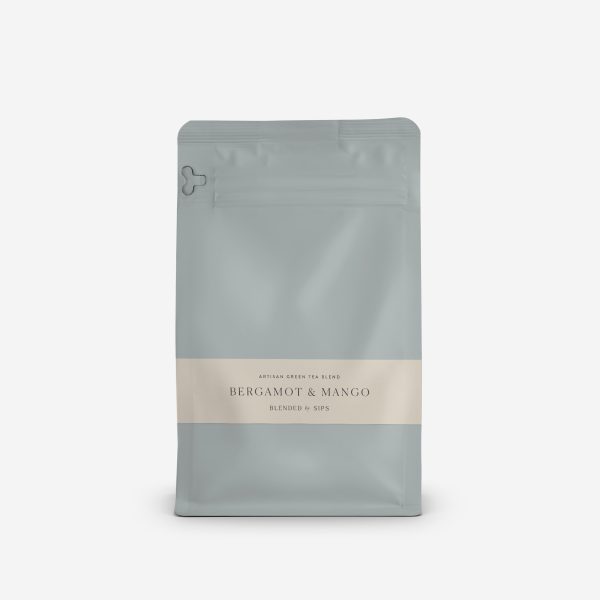
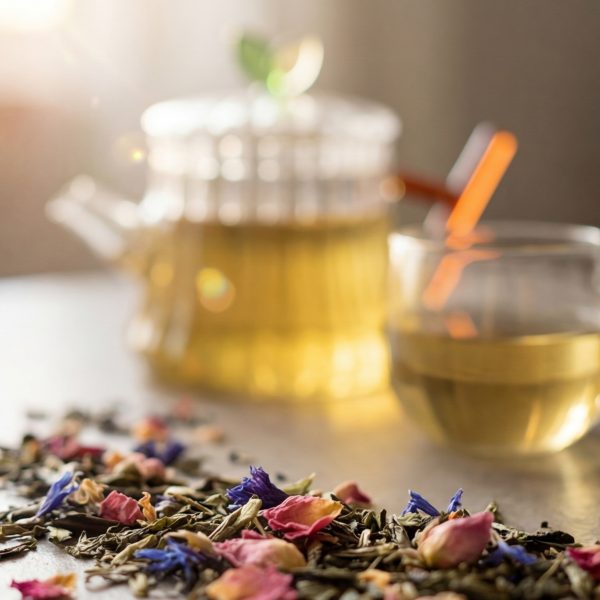
Awaken your senses to the vibrant dance of our Bergamot & Mango tea blend, where the crisp and refreshing notes of Sencha green tea harmonizes seamlessly with the citrusy allure of bergamot and the tropical sweetness of mango. Every sip unfurls like a morning symphony, drawing you into its depth and zest. Adorned with delicate rose petals, mallow, and sunflower blossoms, this blend paints your cup with hues reminiscent of a sunrise garden.
Select options This product has multiple variants. The options may be chosen on the product page -

 Select options This product has multiple variants. The options may be chosen on the product page Quick View119 kr
Elevate your senses with Earl Grey Grapefruit. Taking the foundational citrus notes of bergamot and enhancing them with the tangy zest of grapefruit, this blend provides a lively and refreshing twist on the traditional. The sharpness of grapefruit adds a unique vibrancy, creating a tea that’s perfect for invigorating the palate and energizing your day.
Select options This product has multiple variants. The options may be chosen on the product page -

 Select options This product has multiple variants. The options may be chosen on the product page Quick View119 kr
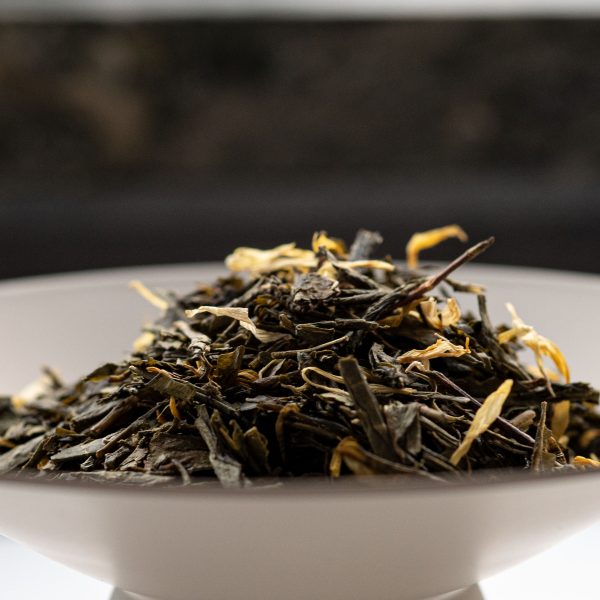
Step into a serene orchard with each brew of this exquisite green tea blend, where the sun-kissed notes of apricot merge harmoniously with the luscious sweetness of peach. Every sip transports you to a summer’s day, with flavors that dance delicately on the palate, echoing the gentle rustling of leaves.
Select options This product has multiple variants. The options may be chosen on the product page -
 Select options This product has multiple variants. The options may be chosen on the product page Quick View119 kr
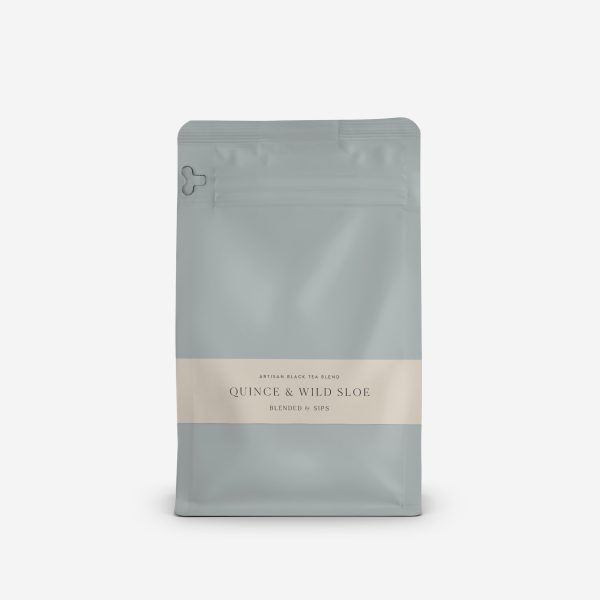
Elevate your tea experience with the artfully blended Quince & Wild Sloe. Crafted with precision, this black tea infusion marries the robust depth of black tea leaves with the tantalizing taste of quince and wild sloe. Adorned with safflower, pink rosebuds, and red rose petals, each steep is transformed into a visual masterpiece that enchants the senses.
Select options This product has multiple variants. The options may be chosen on the product page